
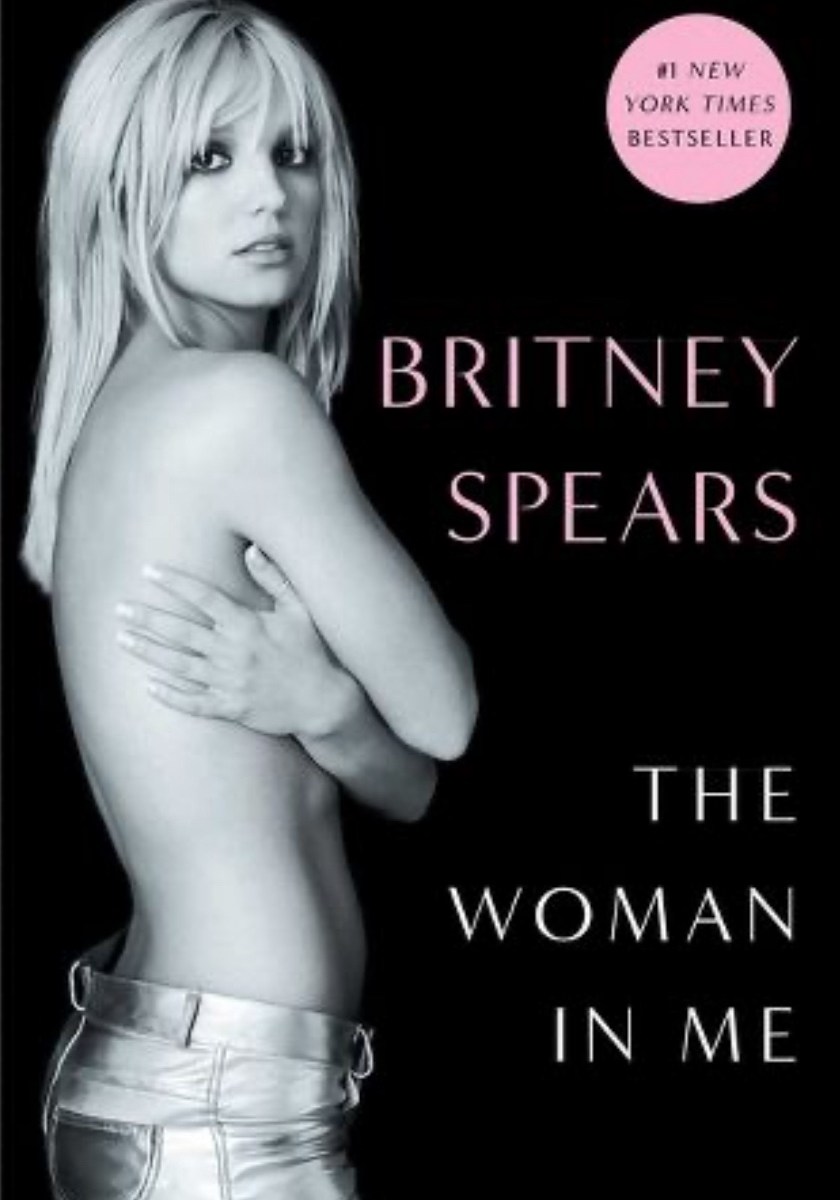
In the world of literature, the determination of what constitutes a “good” book often sparks debates, discussions, and sometimes, perplexity. Goodreads, a platform widely respected for its book recommendations and reviews, recently unveiled its list of the best books for 2023. Notably, the top memoir on this prestigious list happens to be Britney Spears’s newly released memoir.
One might naturally question: What defines a “good” book? Is it purely the writing style, the strength of the story, or the fame and persona of the author? In this instance, Spears’s memoir, although I haven’t personally delved into its pages, has been propelled to the forefront not solely due to its literary merit but also due to the fame and the sensational content it carries.
There’s a conundrum in such occurrences. While Spears’s memoir might hold intriguing personal revelations and captivating anecdotes, it brings to light a critical aspect of these acclaimed lists: their susceptibility to biases influenced by an author’s fame, public persona, or the attention-grabbing nature of their disclosures.
This situation sparks the question of how much objectivity exists in curating these “best of” lists. Undoubtedly, there were numerous memoirs released in the same year that might have possessed superior storytelling techniques, literary craftsmanship, or even offered more profound insights into the human experience. However, they might have lacked the glitter of celebrity or the allure of scandalous headlines.
Literature is a realm where subjective perceptions intertwine with the more objective evaluations of writing quality and storytelling. While some books resonate deeply with readers due to their artful prose or compelling narratives, others garner attention through the cult of personality surrounding their authors. These factors often become entangled in shaping the perception of what is considered a “good” book.
It’s crucial to acknowledge that such lists are not definitive authorities on literary quality but rather a reflection of a collective opinion within a specific context. They may not always encapsulate the diverse range of voices, perspectives, and literary treasures that exist within the vast landscape of published works.
Ultimately, the assessment of a “good” book remains a deeply personal and multifaceted matter. While some may find brilliance in the artistry of writing, others might seek resonance in the emotional depth of storytelling or find fascination in the author’s personal journey, regardless of literary prowess.
In navigating these lists and literary discussions, it’s essential to recognize and appreciate the nuances that go beyond the surface and consider the myriad facets that contribute to the diverse tapestry of the literary world.
What are your thoughts on this complex interplay between writing, story, and the persona behind the book? Share your perspectives in the comments below; I’d love to hear your take on what makes a book truly “good.”
Discover more from Tate Basildon
Subscribe to get the latest posts sent to your email.
 Tate Basildon