

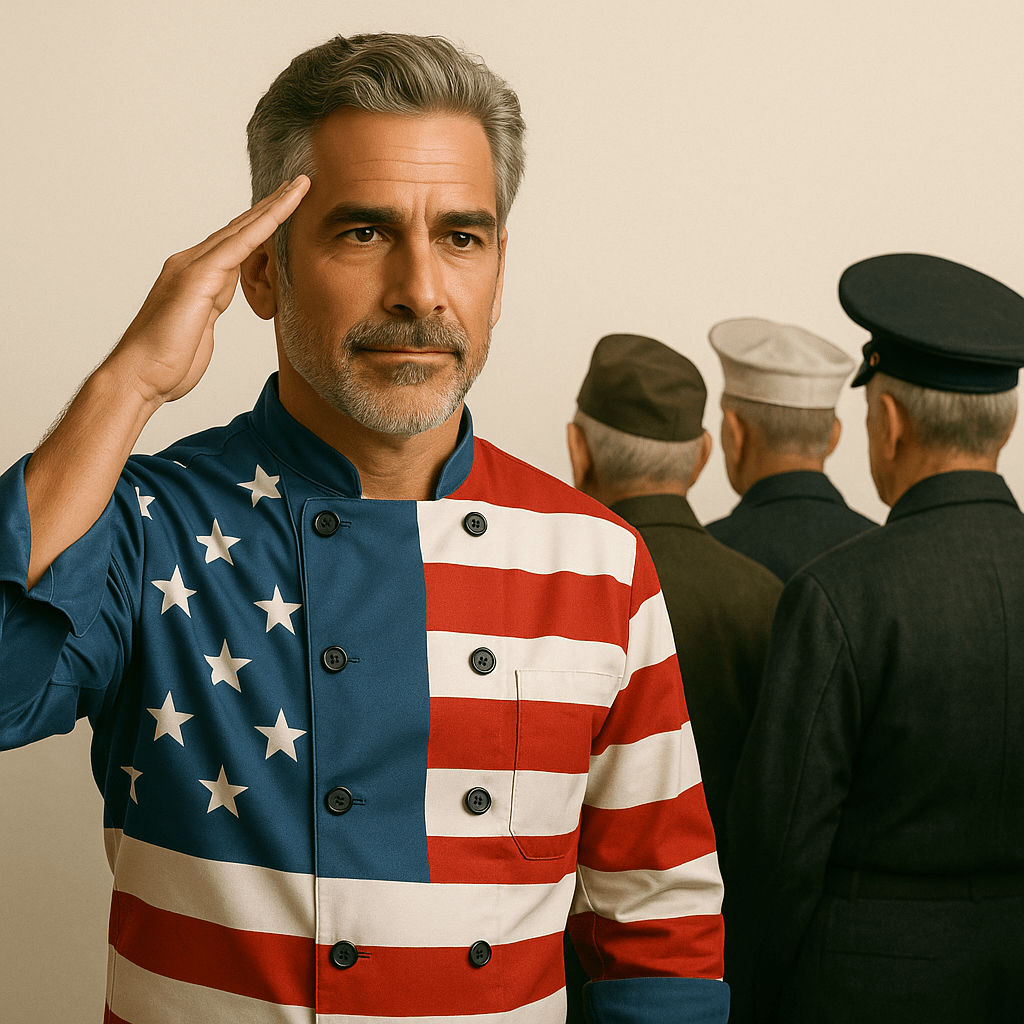
Tomorrow is Veterans Day, and before the world gets noisy with parades and flag emojis, I just want to take a quiet moment to say thank you. Not the type of “thanks” you slap on a Facebook post and forget about, but the kind that settles somewhere between your chest and your throat and lingers there a while.
This one’s for the veterans who fought and sacrificed for a country that doesn’t always remember the price tag on its freedom. And especially for the Vietnam vets—those men (and women) who were drafted into a war they didn’t start, didn’t want, and couldn’t escape. We like to romanticize the word “draft,” but let’s be honest—it was government-sanctioned conscription. A polite way of saying, “Fight our war, or rot in jail.” A lose-lose situation dressed in red, white, and blue.
I still remember when the Vietnam War ended. I was thirteen, growing up in the Caribbean, sweating through another eternal summer school day. I was hanging out by a corridor overlooking the playing field when one of the priests walked up with a grin so wide you could see the relief dripping off him. “The war’s over,” he said, like it was the Second Coming.
I had no idea what war he was talking about—Vietnam might as well have been Mars—but I remember thinking my stepfather would probably be happy. He was a World War II veteran, fought in a war that ended only thirty years earlier. He was twenty-four when it ended, which meant he was barely out of boyhood when he marched off to Europe. Nineteen when he enlisted. Nineteen. I can’t even imagine what it does to a mind to spend those years dodging bullets and burying friends. But I saw what it did to him. PTSD wasn’t something they diagnosed back then—it was just called “being difficult.”
He used to say the Vietnam boys would come home heroes, that people would finally understand what it cost to carry a gun for your government. But he never lived long enough to see how wrong he was. A week after that war ended, he dropped dead from a massive heart attack. Maybe it’s poetic that he never saw America spit on its soldiers, call them baby killers, treat them like the disease instead of the cure. He died believing they’d be celebrated.
Sometimes I wish he’d been right.
You see, gratitude shouldn’t come with conditions. Whether you agree with the politics of a war shouldn’t determine whether you respect the people who fought it. Most of those kids didn’t ask to be soldiers. They were just caught in the machine. And when the machine chewed them up, it spat them out into a world that wanted to forget what they’d seen.
These days, I think about battles of a different kind—ones fought quietly, without medals or parades. Chronic illness has a way of teaching you about endurance, about showing up when you don’t want to, and about fighting wars inside your own body. Maybe that’s why I feel connected to them. The soldiers who keep standing, even when it hurts. The ones who came back and had to rebuild a life from scratch, no applause, no parade, just the long slow work of healing.
So, tomorrow, if you can, find a veteran. Say thank you—not because it’s trending, but because it matters. If you can’t find one, then donate to a veterans’ charity. Or just close your eyes for a minute and send out a quiet prayer of thanks to whoever’s still out there fighting their private battles, seen or unseen.
We owe them that much.
And maybe, just maybe, if enough of us remember, it’ll mean that no one ever has to come home from war feeling like the enemy again.
If this struck a chord—or reminded you of someone you love—drop a comment below. I’d love to hear your story. Or better yet, subscribe, so you don’t miss the next time I get sentimental over coffee and the absurdities of life.
Discover more from Tate Basildon
Subscribe to get the latest posts sent to your email.
 Tate Basildon