

Life has always felt like one long improv scene where the universe hands you a crooked script, shrugs, and tells you to “make it work.” I used to watch Whose Line Is It Anyway? and think the whole setup looked chaotic—actors standing there pretending to be astronauts or confused cowboys with no script, no direction, and zero idea where the story was headed. Back then, I didn’t know I was basically watching a documentary about my future. Because that’s what chronic illness is: improv, but with more hospital gowns and fewer commercial breaks.
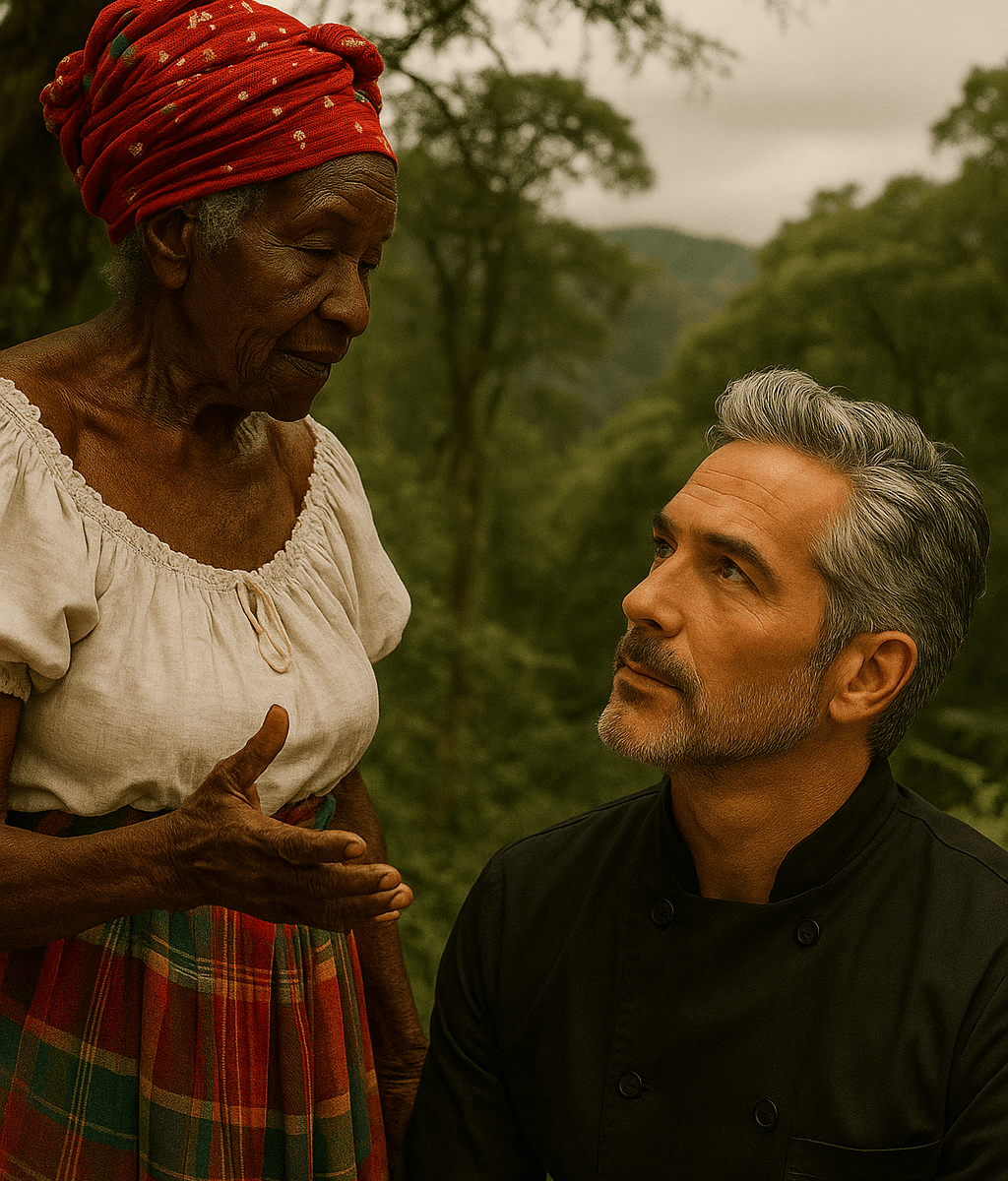
When I was younger, some old spiritual adviser—who lived deep in the hills and felt like she’d stepped straight out of every folklore story I’d ever heard—told me I’d live to be ninety-two. She didn’t blink. She didn’t hedge. She just announced the year like she was reading aloud from my warranty card. And honestly, I carried that with me for years, long before I understood that statistics don’t always get the memo.
Fast-forward to modern-day me, sitting in the waiting room at Mount Sinai for my routine pulmonary check-ins, flipping through a medical journal because my phone battery died at the exact wrong moment. The article was all about cardiac sarcoidosis—the fun version I apparently collected on top of the pulmonary one, as if rare disease was Pokémon and I needed the whole set. The statistics were bleak, dramatic, and delivered with the kind of calm authority only a journal written by people who never met me could muster. According to them, I should basically be choosing a headstone and a tasteful urn.
But here’s the thing: those numbers never once matched the person I became after my defibrillator went in and that one doctor looked at me like my expiration date was printed on my forehead. He told me my ejection fraction would never improve. Sarcoid hearts don’t recover, he said. Lung scarring doesn’t reverse, he added. Heart transplant eventually, he concluded, probably thinking he was being helpful. I looked at him the way a chef looks at someone trying to microwave a soufflé and told him, very politely, “Watch me.”
And somehow my body listened. My heart strengthened. My lungs stayed in remission. My defibrillator behaved more often than not. The baffled doctors even wrote a paper about me, as if they needed to warn their colleagues that the impossible sometimes has a sense of humor. I’m not cured—not even close—but I’m still here, still climbing stairs that feel like Mount Everest on Mondays and like a mild inconvenience by Wednesday. It’s unpredictable, messy, and occasionally ridiculous, but so am I.
The truth is, living with a chronic illness means constantly bumping into the limits of what medicine claims to know. Every appointment is a reminder that I’m both a science project and an ongoing argument against the phrase “statistically speaking.” But it’s also a reminder that life keeps happening around me—dogs snoring, hummingbirds hovering, my wife laughing at my dramatic retellings of perfectly ordinary moments. Those tiny pieces of joy do more for my survival than any graph in a journal.
I’ve reached a point where I know I could go tomorrow—from illness or a bus or the world’s most determined falling coconut—but I also know I could live decades longer than any chart dares to predict. Medicine is evolving. Treatments shift. Bodies surprise you. And maybe, just maybe, that old woman really did see something the rest of us can’t measure.
So I’m choosing to live like the ending isn’t written yet. I’m choosing the buzzing bees, the warm hibiscus air, my wife’s hand in mine, the dogs who think they run the household, and the stubborn hope that carries me through every statistic ever thrown in my face. And even if life is an improv show, I’m keeping the mic until the final cue.
So …
If this resonated with you—or if you’re rewriting your own script while living with chronic illness—drop a comment or hit subscribe. I’d love to hear your story, too.
Discover more from Tate Basildon
Subscribe to get the latest posts sent to your email.
 Tate Basildon