

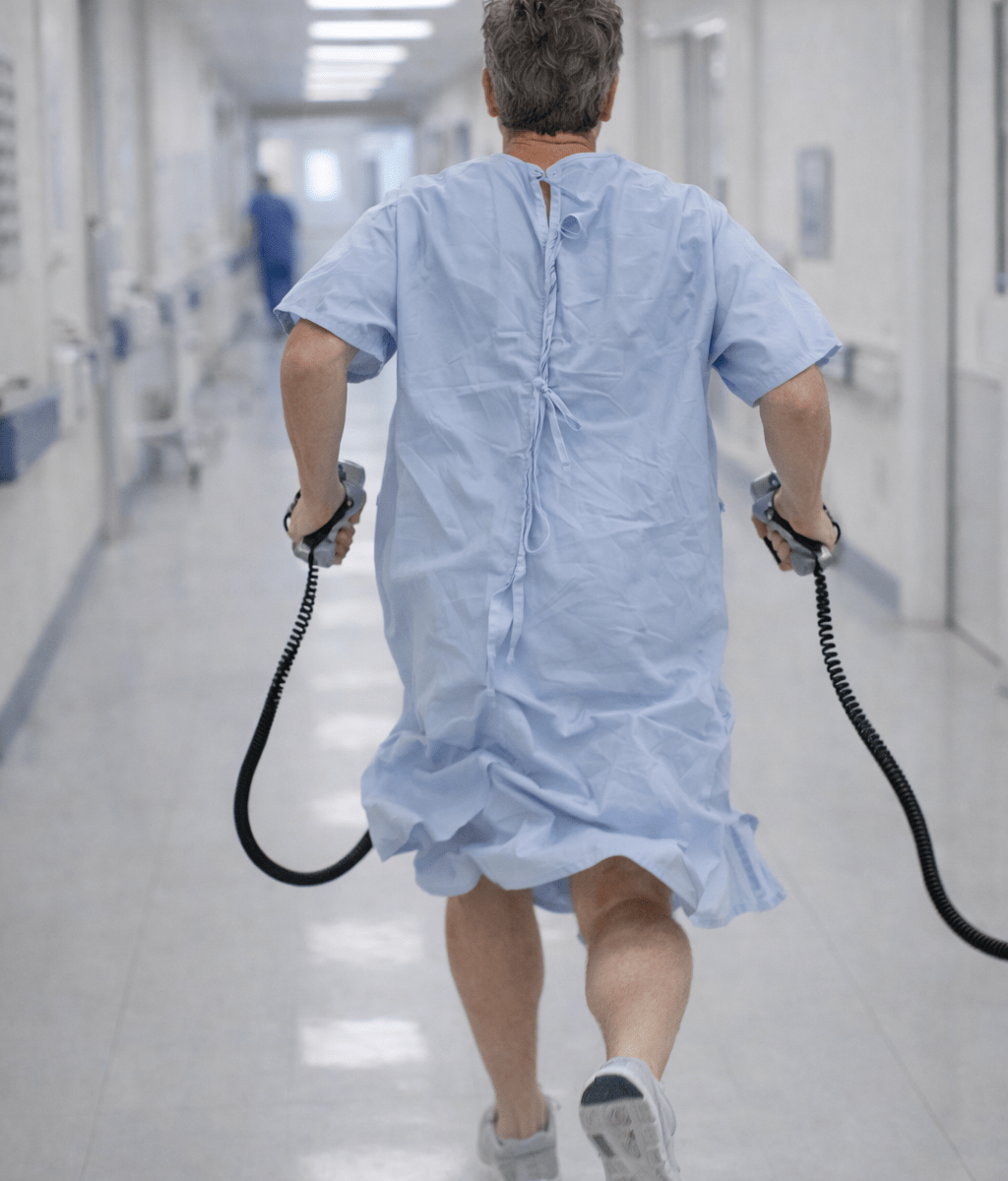
I still remember the smell of antiseptic when I woke up from surgery—simultaneously grateful and horrified. I went in to close a hole in my heart and woke up with a whole new diagnosis. Heart failure. That’s not something you casually slip into breakfast conversation. And as if that wasn’t enough, I found out I’d need to be on meds for life. Oh, and the cherry on this sundae? I needed a defibrillator implanted. That was August 2007. A banner month for medical plot twists.
But I didn’t rush. That’s not my style. So I told the doctors to pump the brakes while I did one of my favorite things: research and overthink. Then I did another: call several other doctors to confirm the first doctor wasn’t an overcaffeinated enthusiast for pocket electronics. After some consultations, some Googling that absolutely did not reassure me, and a lot of staring at my chest wondering how many scars I could collect before they started connecting like constellations, I finally agreed to the defibrillator. It was implanted in September 2007.
Fast forward another month, and I saw the news headline that would make my heart skip a beat—ironically, a thing my new device was supposed to prevent. The leads used in certain Medtronic defibrillators were being recalled for killing people. My heart didn’t just skip—it did a full tap routine. Because, yes, I had a Medtronic. That’s when the existential dread set in. The kind of dread that whispers, “Should’ve gone with that restaurant-grade pacemaker.”
I didn’t even have time to panic-dial before my cardiologist emailed me personally. This is what it feels like to be VIP, I guess: “Don’t worry—you don’t have one of the recalled leads.” He probably sensed I was already halfway to writing my obituary. It was a relief, but you better believe I spent a good hour staring into space wondering what would’ve happened if I’d said yes in August instead of September. Would I be sitting here writing this? Would someone have needed to remove a lead and risk fatal complications? Would they have left it in, forever entombed like a medical mummy accessory?
That’s the thing no one tells you about medical devices. They save your life, sure. But they also give you a new set of things to spiral about at 3 a.m. For the first month, my biggest fear was that my defibrillator would go off while I was microwaving a burrito or something. Then I got to add “possible fatal lead malfunction” to the anxiety burrito. It’s just a lot to unpack. Especially when the lead extraction procedure can be fatal, so most doctors leave them in like weird metal leftovers.
Looking back, I’m convinced my procrastination saved my life. Call it intuition, stubbornness, or the universe getting tired of messing with me—but waiting that extra month likely means I missed the defective batch. And you better believe I mentally high-fived myself for it.
Those early months were tough. Living with a device inside your chest—not metaphorically, like modern dating teaches you, but literally—was a whole new emotional battlefield. Every beep from my microwave, every hiccup in my heart rhythm turned into a mini-horror movie in my mind. And yet, here I am. Heart still beating, pulmonary hypertension reversed like a storyline that didn’t test well with focus groups, and somehow, still finding things to laugh about.
Reading that old article from 2010 really stirred it all back up—the fear, the what-ifs, the acceptance. Life comes with some wild plot twists. Mine just happen to be FDA-regulated.
If you’ve ever sat awake thinking about the foreign object ticking inside you, or the lead that might go rogue, or the prognosis that sounded more like a courtroom sentence—then you’re not alone. Welcome to the club none of us asked to join, where the dress code is hospital gowns and sarcasm is survival.
Drop a comment if you’ve been through something similar. Or subscribe if you want more stories like this—equal parts ridiculous, reflective, and resilient. You know, like life with chronic illness and a stubbornly beating heart.

Discover more from Tate Basildon
Subscribe to get the latest posts sent to your email.
 Tate Basildon