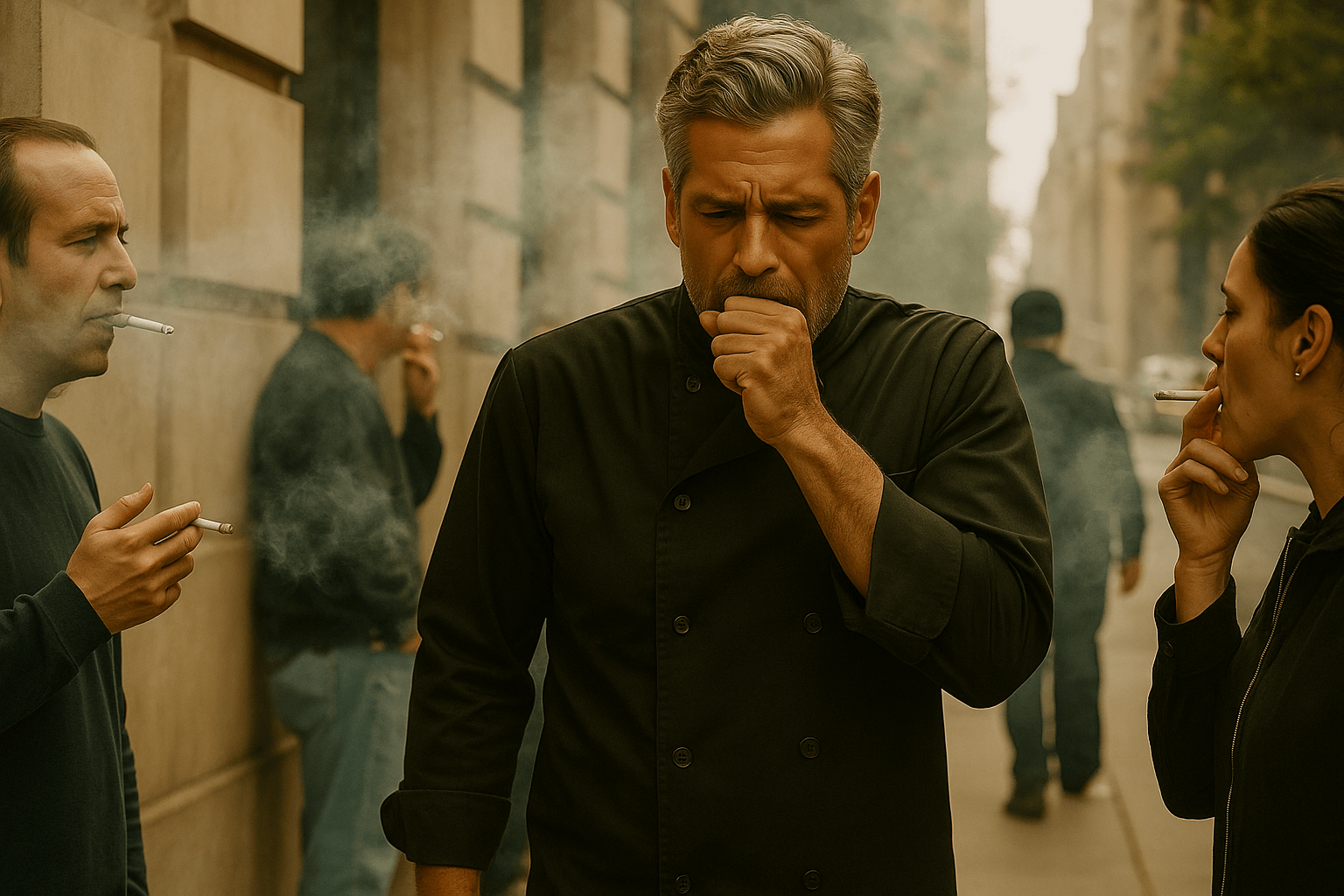
Growing up with childhood trauma and overwhelming guilt after witnessing my step-father’s heart attack shaped everything—from how I curse, to how I cook, to how I manage chronic illness today. While emotional suppression can increase stress, inflammation, and heart risk, meditation, humor, cooking, and selective profanity helped me survive. If you’ve ever carried guilt, wrestled with grief, or learned to cope quietly, this story will remind you that you’re not the villain—you’re surviving with heart.
Why I Don’t Complain: A Chef’s Guide to Surviving Chronic Illness Without Losing My Mind (or My Manners)
Living with chronic illness and heart failure has taught me one thing—complaining doesn’t fix a damn thing. As a chef juggling sarcoidosis, a leaky heart, and life’s general nonsense, I’ve learned that silence isn’t denial—it’s survival. Here’s how I stopped whining, started adapting, and found a strange kind of peace in just getting on with it.
When Your Brain Dreams in Seconds: Micro-Sleep, Chronic Illness Fatigue, and the Strange Art of Rest
Living with chronic illness fatigue from sarcoidosis and heart failure can trigger strange micro-dreams that appear in just seconds. As a private chef, debut novelist, husband, and pet parent, I’ve learned to see these surreal mental snapshots as my body’s way of processing stress and restoring energy. Here’s how micro-sleep, creative imagination, and humor can help you survive fatigue and find meaning in the chaos.
Why That Blasting Speaker-Phone in the Waiting Room Is Literally Harming My Brain (And Maybe Yours Too)
Chronic illness, wait‐rooms and “halfalogue” stress: as a chef living with sarcoidosis and heart failure I’ve learned that overhearing speaker-phone calls isn’t just annoying—it adds cognitive load, heightens cardiovascular risk, and drains creativity. If you’re juggling chronic illness or writing your debut novel, here’s why you’ll want to resist the roar of public monologues and reclaim your mental fuel.
When My Heart Rebelled for Two Minutes—and My AICD Stepped In
Back in 2010, a simple walk with my dog turned into a two-minute dance with death when my heart went into fibrillation. Thanks to my implanted defibrillator, I lived to tell the story—and to learn what it means to actually listen to my body when it decides to go rogue.